Our Services
Discover how our alternative models can accelerate your product development with safety and regulatory compliance.
Multi-model portfolio
Regulatory focus
Scientific agility
Personalized service
NexusProdis
(Predictive Toxicology)
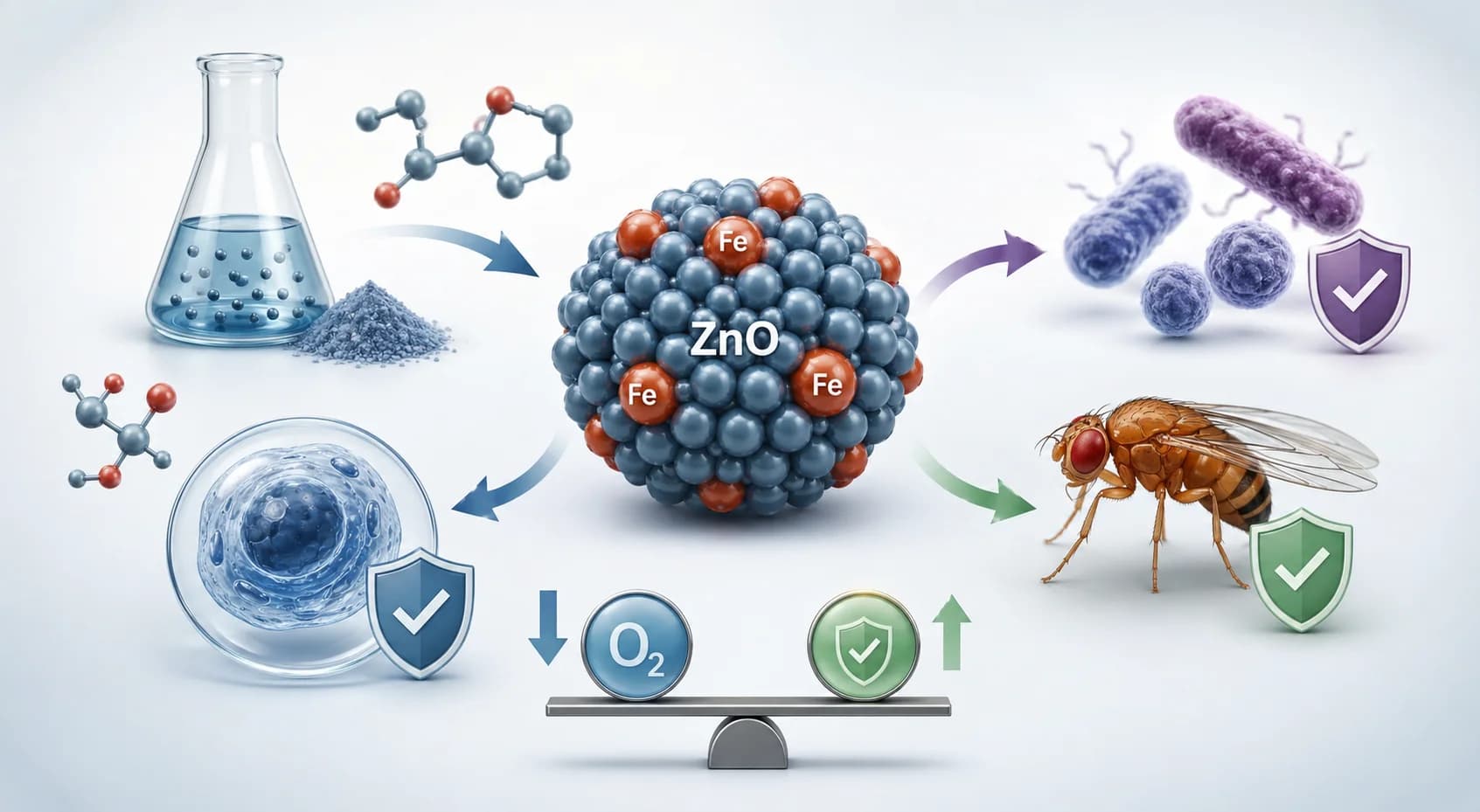
Predictive toxicology platform for exploratory nanomaterial screening. Compare your material with references before moving on to testing.
Applications:
- Exploratory nanomaterial screening
- Comparison with reference materials
- Identification of evidence gaps
- Screening report in PDF
- Safe-by-Design support
Sectors served:
NexusProdis was developed in the Centelha 3 Alagoas program. The platform organizes a material's physicochemical properties (composition, size in nm, morphology and zeta potential), compares them with reference materials and points out what still needs to be tested. The current version is a demonstration prototype (v0.1) and does not replace a toxicological opinion.
Regulatory basis:
Nex-NeuroPro
(Drugs in development)
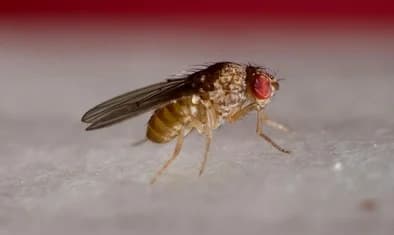
Genetically modified Drosophila melanogaster models that reproduce human mutations linked to neurodegenerative and metabolic diseases, to evaluate candidate molecules.
Applications:
- Customized human disease models
- Phenotypic screening of therapeutic candidates
- Functional validation of genetic variants and therapeutic targets
- Proof-of-concept studies
- Drug repurposing
- Neurodegenerative and metabolic diseases
Sectors served:
We develop genetically modified Drosophila melanogaster models that reproduce human mutations associated with neurodegenerative and metabolic diseases, enabling the functional evaluation of candidate molecules in a living biological system. The platform allows early identification of promising compounds, validation of mechanisms of action and support for drug repurposing, speeding up decision-making in preclinical development.
Regulatory basis:
Zebrafish
(Danio rerio)
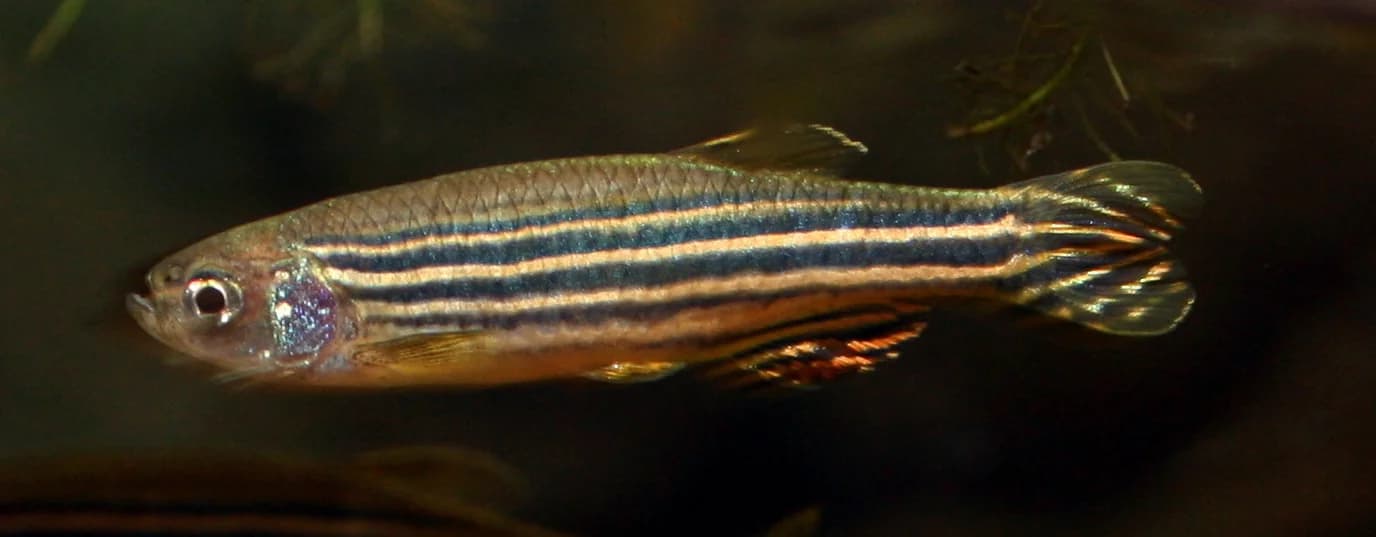
Model vertebrate for developmental toxicology, neurobehavior, and drug safety studies. 70% genes homologous to humans.
Applications:
- Acute toxicity (FET - OECD 236)
- Embryonic malformations
- Neurotoxicity
- Cardiotoxicity
- Embryotoxicity
- Redox biology biomarkers
Sectors served:
Zebrafish (Danio rerio) is a vertebrate model widely used in toxicological studies due to its high genetic homology with humans (approximately 70%), embryonic transparency, and rapid external development. Allows acute toxicity assessments following the OECD 236 protocol (Fish Embryo Acute Toxicity Test - FET), being ideal for compound screening in early R&D phases. About 84% of genes linked to human diseases are also present in Zebrafish. These small organisms are true allies in research.
Regulatory basis:
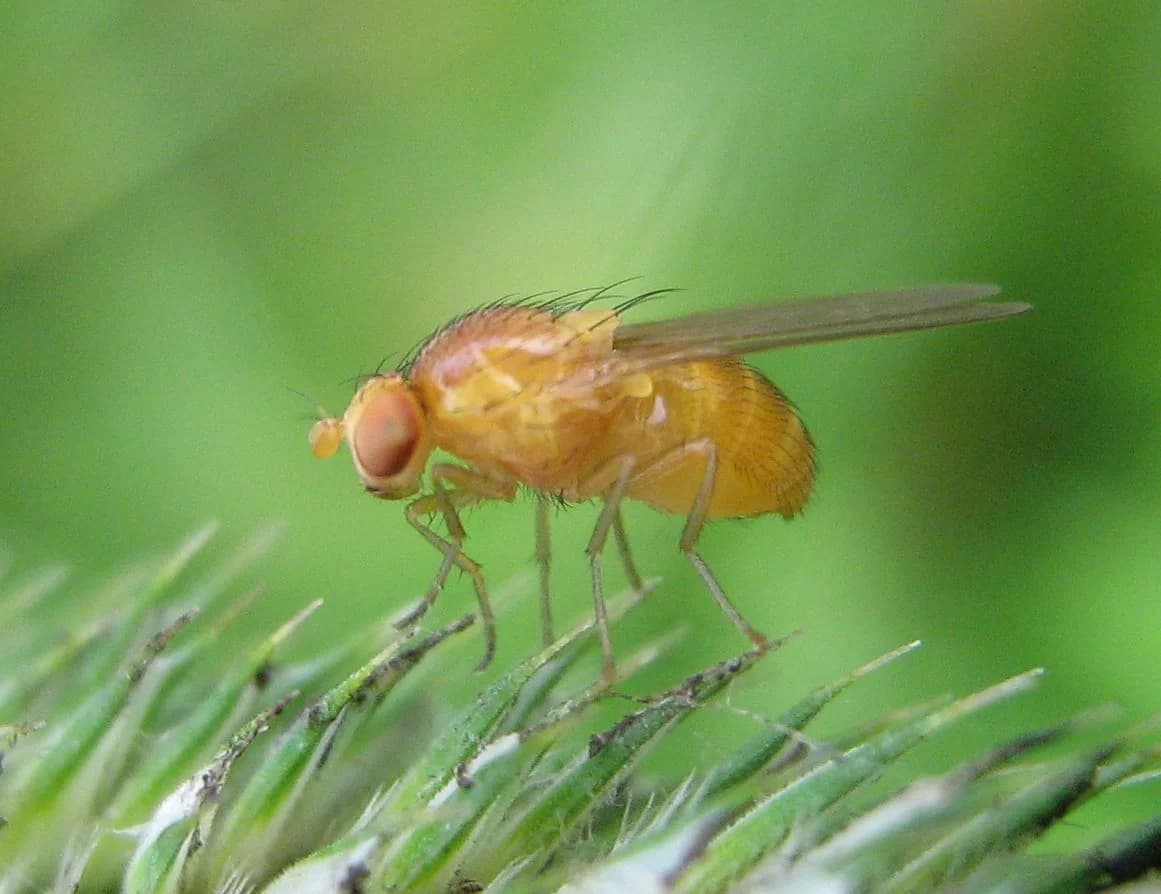
Fruit Fly
(Drosophila melanogaster)
Widely validated invertebrate model, with a strong genetic basis and high conservation of biological pathways, ideal for functional toxicity, neurodegeneration, and genotoxicity studies.
Applications:
- Functional neurotoxicity
- Genotoxicity
- Longevity and aging
- Redox biology biomarkers
- Acute and chronic toxicology
- Dose-response assessment
- Larval development
- Mitochondrial dysfunction and cell death
- Bioactive compound screening
- Nanotoxicology and co-exposure
Sectors served:
Drosophila melanogaster has a completely sequenced genome and shows high conservation of essential metabolic pathways, making it a highly relevant model for toxicological studies. Approximately 75% of genes associated with human diseases have homologs in this organism, reinforcing its applicability in translational research. This model is especially effective for assessing oxidative stress, functional neurotoxicity, and chronic effects, allowing the analysis of biomarkers such as SOD, CAT, GST, and lipid peroxidation (TBARS). In addition, its high reproductive rate, short life cycle, and low operational cost make Drosophila an efficient, scalable, and cost-effective tool for toxicological screening and mechanistic studies.
Regulatory basis:
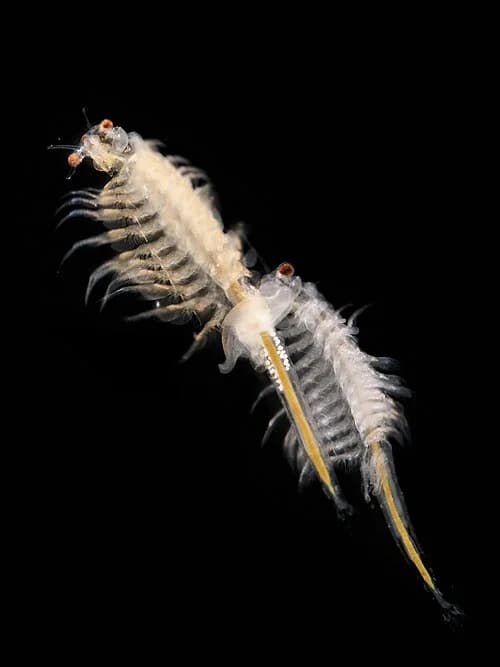
Artemia salina
Microcrustacean
Crustacean widely used for initial screening of acute environmental and pharmacological toxicity with rapid response (24-48h).
Applications:
- Acute environmental toxicity
- Bio-inputs screening
- Pharmacological screening
- Nanomaterials evaluation
- Ecotoxicology
Sectors served:
Artemia salina is a microcrustacean widely recognized as a rapid screening model for acute toxicity, providing results within 24 to 48 hours. Its short life cycle, ease of cultivation, and high experimental reproducibility make this organism an efficient tool for preliminary safety assessment. It is especially suited for initial screening of chemical compounds, agricultural bio-inputs, and nanomaterials, allowing samples to be prioritized before more complex and costly assays. In addition, its use is widely accepted in ecotoxicology studies and environmental monitoring, contributing to the risk assessment of substances in different environmental matrices.
Regulatory basis:
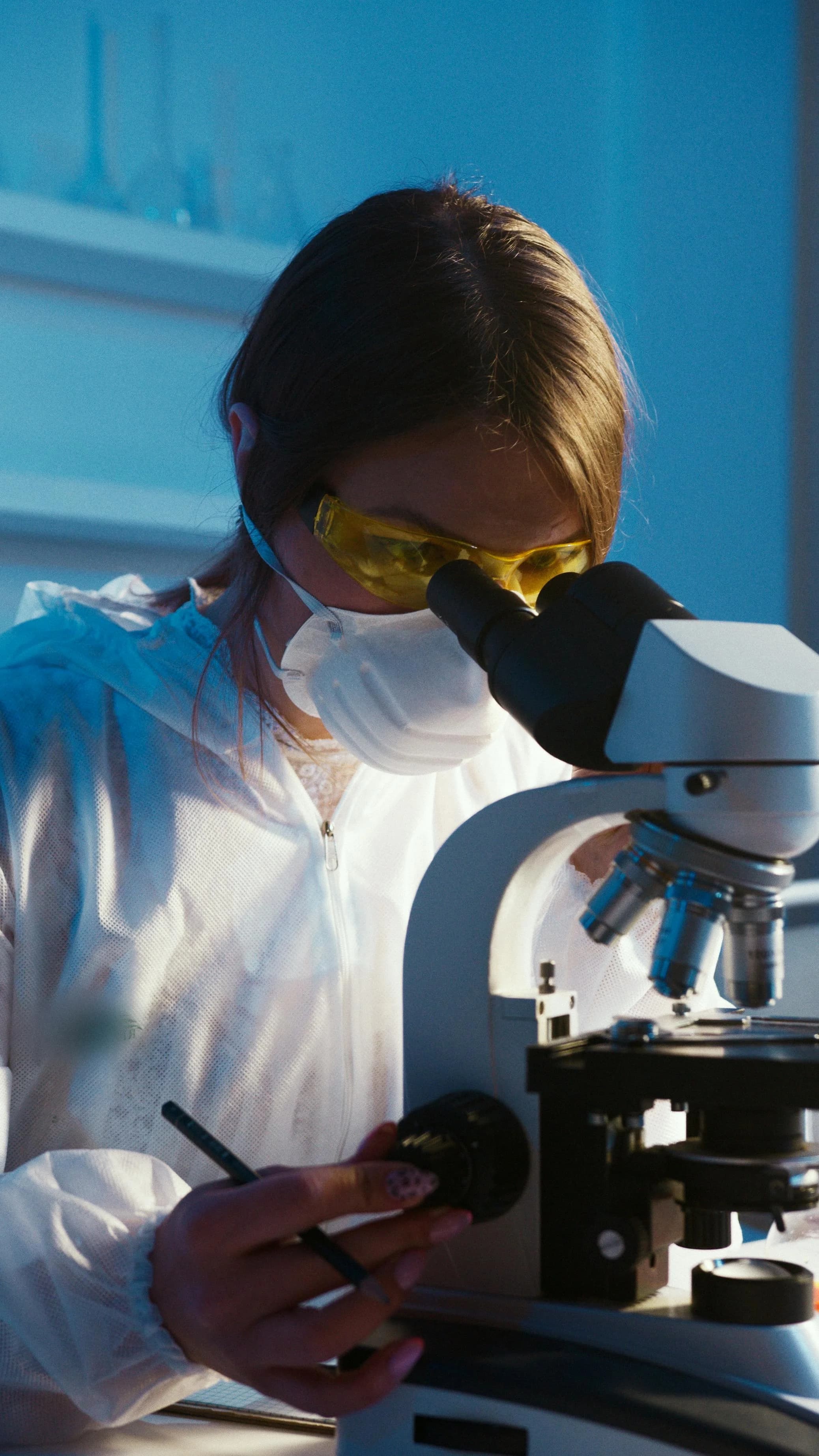
Biochemical Analysis
(Redox Biology)
Investigation of toxic effects at cellular and molecular level, focusing on oxidative processes and antioxidant response, enabling a mechanistic understanding of the biological effects of different compounds.
Applications:
- Carbonylated proteins
- Lipid peroxidation (TBARS)
- Antioxidant enzymes (SOD, CAT, GST)
- Total thiol content
- Oxidative DNA damage
- Total ROS
Sectors served:
Biochemical analyses complement in vivo assays, providing essential mechanistic data on toxicological effects at the molecular level. By evaluating oxidative stress biomarkers, it is possible to identify early changes in cellular homeostasis and antioxidant defense systems. Markers such as superoxide dismutase (SOD), catalase (CAT), glutathione S-transferase (GST), as well as lipid peroxidation levels (TBARS) and oxidative DNA damage are analyzed, allowing an integrated assessment of the biological response to the tested compound. This approach is essential for building a complete toxicological profile, supporting decision-making in preclinical studies, product development, and regulatory strategies.
Regulatory basis:
Need a customized assay?
Our team develops custom protocols to meet specific R&D, regulatory registration or product validation demands.


