
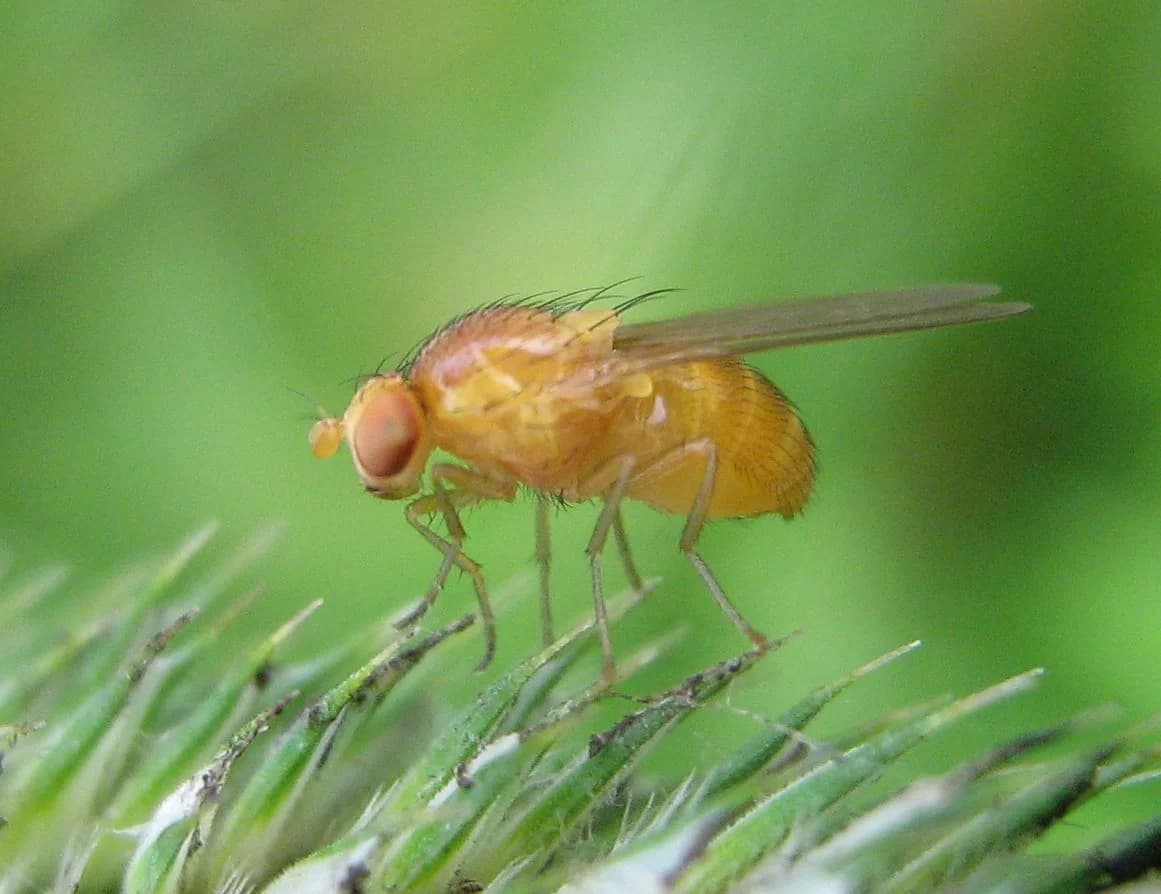
The In Vivo Toxicity and Neurodegenerative Diseases Analysis Laboratory (LAVITOX) at the Federal University of Alagoas (UFAL) has received authorization from Brazil’s National Technical Biosafety Commission (CTNBio) to carry out research with genetically modified organisms under containment. The laboratory is coordinated by Prof. Dr. Lucas Anhezini, co-founder of NexusBioTox and a specialist in experimental models with Drosophila melanogaster.
What changes in practice
With the license, LAVITOX can work with transgenic Drosophila melanogaster lines. In these models, specific genes are manipulated, which improves the ability to isolate biological mechanisms in a whole organism: processes linked to oxidative stress, neurodegeneration and cellular responses to different chemical and biotechnological agents.
Why this matters for toxicology
The fruit fly has a fully sequenced genome and conserves essential metabolic pathways, which makes it a well-established toxicology model. With transgenic lines, the same organism can also support studies on mechanisms of toxicity and neurodegenerative diseases, without resorting to mammals. This is a direct step forward for the alternative-methods approach that underpins NexusBioTox’s work.
More than a regulatory authorization, the license expands the complexity of the studies that the scientific infrastructure associated with NexusBioTox can conduct. See the models we already offer in Models and Services.
Official UFAL news (in Portuguese): Laboratório da UFAL conquista marca histórica com licenciamento pela CTNBio


