
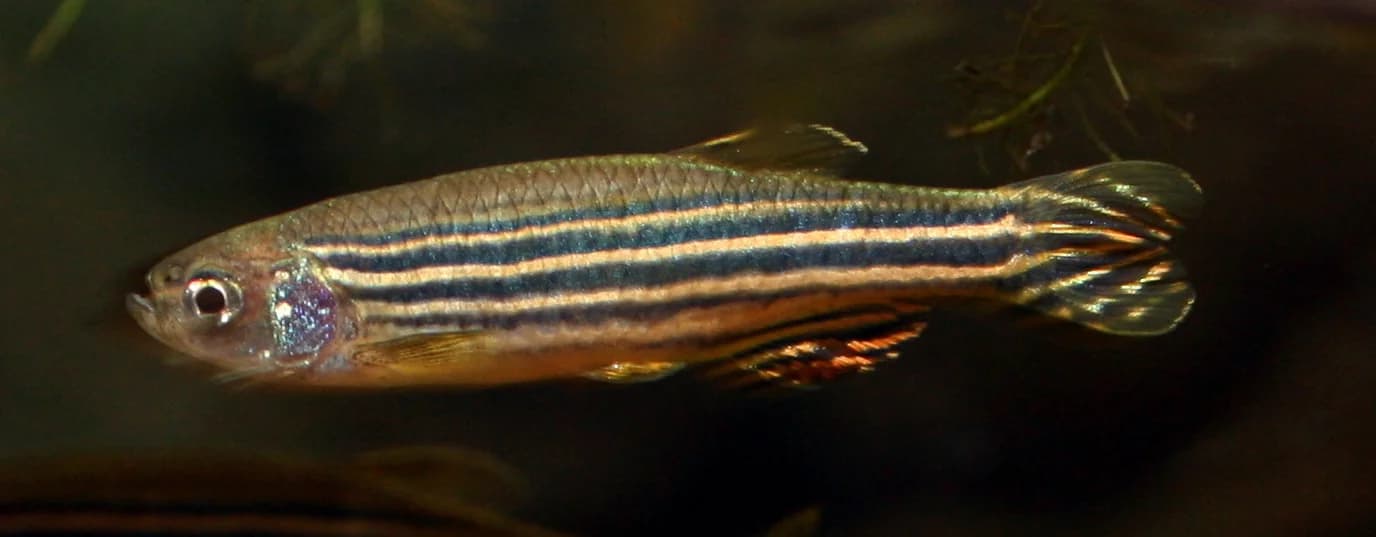
A study published in Environmental Toxicology and Pharmacology investigates sublethal effects of a hexazinone-based herbicide on zebrafish (Danio rerio) embryo-larval development.
Background
Hexazinone is a triazinone herbicide used for weed control in crops such as sugarcane. As with other agrochemicals, residues can reach water bodies, and environmental risk assessment still relies largely on mortality tests, which only detect the most severe effects.
Experimental design
Zebrafish embryos, a well-established model in toxicology and ecotoxicology, were exposed to environmentally relevant concentrations of the herbicide. The study assessed mortality, spontaneous contractions, hatching and heart rate, as well as biochemical biomarkers of oxidative stress and neurological function: catalase (CAT), glutathione S-transferase (GST) and acetylcholinesterase (AChE). Responses related to gene expression were also analyzed.
Main findings
The results show that, at environmentally relevant concentrations, exposure impaired embryo-larval development and altered multiple biomarkers. CAT and GST take part in antioxidant defense and biotransformation, and AChE is central to cholinergic neurotransmission; changes in these markers suggest that the herbicide’s effect goes beyond acute toxicity and involves oxidative stress and possible neurological impairment.
Implications
The work reinforces two ideas. First, assessing several biological endpoints is more sensitive than observing mortality alone, because sublethal changes reveal impacts that conventional tests do not capture. Second, alternative models, such as the zebrafish embryo, generate useful information for environmental risk assessment. This is the logic behind our zebrafish work, including assays based on the OECD 236 protocol (see Models and Services).
The study included researchers linked to NexusBioTox’s collaboration network.
Reference: Environmental Toxicology and Pharmacology, 128 (2026), 105193. DOI: 10.1016/j.etap.2026.105193


